Gift baskets are the culinary equivalent of a surprise party—everyone loves the mystery, but nobody wants the party to end in disappointment. In recent years, the rise of online marketplaces and global sourcing has turned a simple gesture into a detective mission: how can you be sure the silk scarf or designer watch inside truly lives up to its label? This article dives into addressing concerns about counterfeit luxury items in gift baskets, offering Additional info practical tips, legal insights, and a dash of humor to keep the experience enjoyable rather than anxiety‑laden.
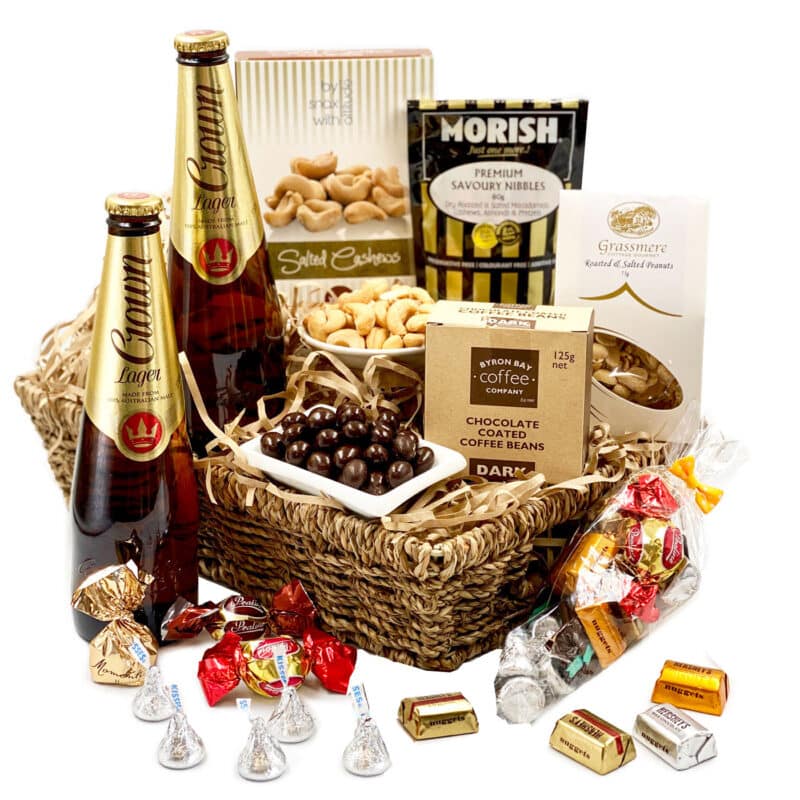
Why the Fear of Fakes Is Growing
The luxury market is booming, and with that growth comes a shadow market of imitators. According to a 2023 industry report, counterfeit goods account for nearly 3.5 % of global retail sales—a figure that would make any quality‑control manager break out in a cold sweat.
Imagine you’re at a corporate event, and a colleague proudly presents a gift basket brimming with “authentic” leather goods. Later, a savvy coworker whispers, “That wallet? It’s a knock‑off.” Suddenly, the mood shifts from celebratory to suspicious.
> “The greatest danger of a counterfeit is not the loss of money, but the erosion of trust.” – Anonymous
The stakes are higher than a misplaced cufflink at a black‑tie gala. Counterfeit items can damage brand reputation, expose recipients to substandard materials, and even lead to legal repercussions for the giver. As consumers become more educated, they demand transparency—making addressing concerns about counterfeit luxury items in gift baskets a top priority for anyone who wants to keep the gift‑giving spirit intact.
Spotting the Red Flags Before You Pack
Authenticity Checks for Common Luxury Brands
Every luxury brand has its own set of tell‑tale signs. While the details vary, a few universal clues can help you separate the genuine from the faux:
- Stitching: Real leather goods feature even, tight stitches; cheap copies often have loose, irregular seams. Serial Numbers: Authentic items typically carry a serial or model number that can be verified on the brand’s website. Packaging: Luxury brands invest in high‑quality packaging—think magnetic closures, embossed logos, and tissue paper that feels substantial.
If a product looks too good to be true, it probably is. A quick online search of the serial number or a call to the brand’s customer service can save you Find out more from an embarrassing “oops” moment.

Supply‑Chain Transparency and Vendor Vetting
The old adage “trust, but verify” applies perfectly here. When sourcing items for a gift basket, ask potential suppliers the following:
- Where do they obtain their inventory? Can they provide certificates of authenticity? Do they have a return policy for disputed items?
A reputable vendor will gladly share this information. In fact, many luxury distributors now offer a supply chain traceability report, a document that maps the journey of a product from factory floor to storefront. Treat that report like a treasure map—follow it, and you’ll avoid the quicksand of counterfeit goods.
Legal and Ethical Implications
Selling or distributing counterfeit luxury items, even unintentionally, can land you in hot water. In the United States, the Trademark Counterfeiting Act imposes civil penalties of up to $2 million per violation, while the European Union’s intellectual property laws can levy fines and even criminal charges.
Beyond the legal realm, there’s an ethical dimension. Counterfeit production often relies on underpaid labor and unsafe manufacturing conditions. By addressing concerns about counterfeit luxury items in gift baskets, you’re not just protecting your reputation—you’re supporting responsible business practices.
“Doing the right thing is not always the easy thing, but it’s the only thing that builds lasting value,” says a seasoned compliance officer at a major retailer. This mindset should guide every decision, from selecting a supplier to choosing the final presentation.
Practical Steps for Businesses and Consumers
Whether you’re a corporate gifting manager or an individual planning a birthday surprise, these actionable steps can help you navigate the murky waters of luxury gifting:
- Research the brand’s official channels – Verify product details on the manufacturer’s website. Request authenticity documentation – Look for holographic stickers, certificates, or QR codes that link to verification portals. Purchase from authorized retailers – Authorized dealers have a direct relationship with the brand, reducing the risk of fakes. Inspect items upon receipt – Check stitching, hardware, and packaging before they enter the basket. Educate your team – Provide a quick cheat sheet on common counterfeit signs so everyone can spot red flags.
By integrating these habits into your gifting workflow, you turn caution into confidence—like swapping a blindfold for a pair of night‑vision goggles.
Turning Caution Into Confidence
Now that you’ve armed yourself with knowledge, it’s time to apply it without turning the gifting experience into a forensic lab. Here’s a light‑hearted scenario that illustrates the balance:
*Sarah, a marketing director, decided to surprise her team with a “luxury” coffee‑themed basket. She sourced a high‑end espresso machine from a well‑known online marketplace, only to discover the serial number didn’t match the brand’s database. After a quick call to the seller, she swapped the machine for a certified model and added a handwritten note explaining the hiccup. The team loved the gesture, and the brief transparency moment actually boosted morale—proof that honesty can be the best garnish.*
A little transparency goes a long way. When you openly address concerns about counterfeit luxury items in gift baskets, you demonstrate respect for the recipient’s intelligence and taste. Think of it as adding a pinch of salt to a dish; it enhances the flavor without overwhelming the palate.
Making Your Selection Count
The final piece of the puzzle is turning all this information into a seamless gifting experience. Start by defining the purpose of the basket—celebration, appreciation, or brand promotion. Then match the luxury items to that purpose, ensuring each piece passes the authenticity checklist.
When the basket arrives, let the presentation do the talking: elegant wrapping, a concise card that highlights the authentic origins of each item, and perhaps a QR code that links to a verification page. This not only showcases your diligence but also gives the recipient a sense of pride in owning genuine luxury pieces.
In the grand scheme, addressing concerns about counterfeit luxury items in gift baskets isn’t just a defensive maneuver; it’s an opportunity to elevate your gifting standards. By combining rigorous vetting, legal awareness, and a dash of humor, you can create memorable, trustworthy gifts that leave a lasting impression—no counterfeit required.
Ready to upgrade your gifting game? Start by reviewing your current supplier list today, and watch how a few thoughtful changes can transform a simple basket into a hallmark of authenticity and care. Happy gifting!