When you stroll through a farmer’s market and spot a wicker basket brimming with hand‑crafted cheese, jam, and a rustic loaf, you’re faced with a delightful dilemma: how to evaluate the quality of artisanal products in a basket without turning it into a full‑blown science experiment. This guide walks you through the visual, tactile, and sensory clues that separate a true masterpiece from a well‑intentioned but mediocre attempt—plus a few jokes to keep the mood light. By the end, you’ll feel confident enough to pick the perfect basket for yourself or as a thoughtful gift.
Understanding the Artisanal Landscape
Artisanal goods are the love‑children of tradition, skill, and a dash of rebellion against mass wine hampers Australia production. They often come from small‑scale producers who hand‑craft each item, whether it’s a cheese aged in a cave or a jam simmered over a wood fire. Because each batch can vary, the quality isn’t always stamped on a label; instead, it lives in the details. Knowing the broader context—regional specialties, seasonal ingredients, and the maker’s philosophy—gives you a solid foundation before you even lift the lid.
Visual and Tactile Cues
Appearance and Craftsmanship
First impressions matter. Look for uniform color, clean edges, and a lack of off‑colors that might indicate spoilage. In cheese, a consistent rind texture suggests careful aging; in baked goods, a golden crust signals proper oven time. Remember the old saying, “Don’t judge a book by its cover,” but in the world of artisanal foods, the cover often does tell a story.
Texture and Feel
Your fingers are a surprisingly reliable quality detector. Gently press a piece of cheese—does it yield with a buttery give, or is it rock‑hard like a brick? A jam should be thick yet spreadable, not watery or gelatinous. If the basket itself feels sturdy and the items are snugly nestled, the producer likely handled the goods with care. As the French proverb goes, “Le toucher est le deuxième sens du goût” (Touch is the second sense of taste).

Sensory Testing: Taste, Aroma, Sound
The Nose Knows
Before you even take a bite, inhale. A fresh herb‑infused olive oil should release bright, grassy notes; a smoked cheese will announce its character with a gentle, woody perfume. If you detect sour or rancid odors, it’s a red flag—much like a car that smells of gasoline before it starts.
Flavor Profile Checks
When you finally taste, pay attention to balance. Is the sweetness of a fruit preserve complemented by a hint of acidity, or does it overwhelm the palate? Good artisanal products achieve harmony, much like a well‑conducted orchestra where each instrument shines without drowning the others.
Listening for Crunch
Some items, like crackers or toasted nuts, reveal their quality through sound. A crisp snap signals proper baking; a soggy crunch suggests they’ve been sitting too long in moisture. It’s a tiny, audible quality check—think of it as the “pop” in a fresh soda.
Provenance and Transparency
A clear story often correlates with a higher‑quality product. Look for these provenance clues:
- Origin: Is the product tied to a specific region known for that item? Certification: Does it carry organic, PDO, or other reputable seals? Producer Narrative: Does the basket include a note about the maker’s methods, family history, or seasonal sourcing?
When producers are transparent, you can trust that they stand behind their craft.
The Role of Packaging and Presentation
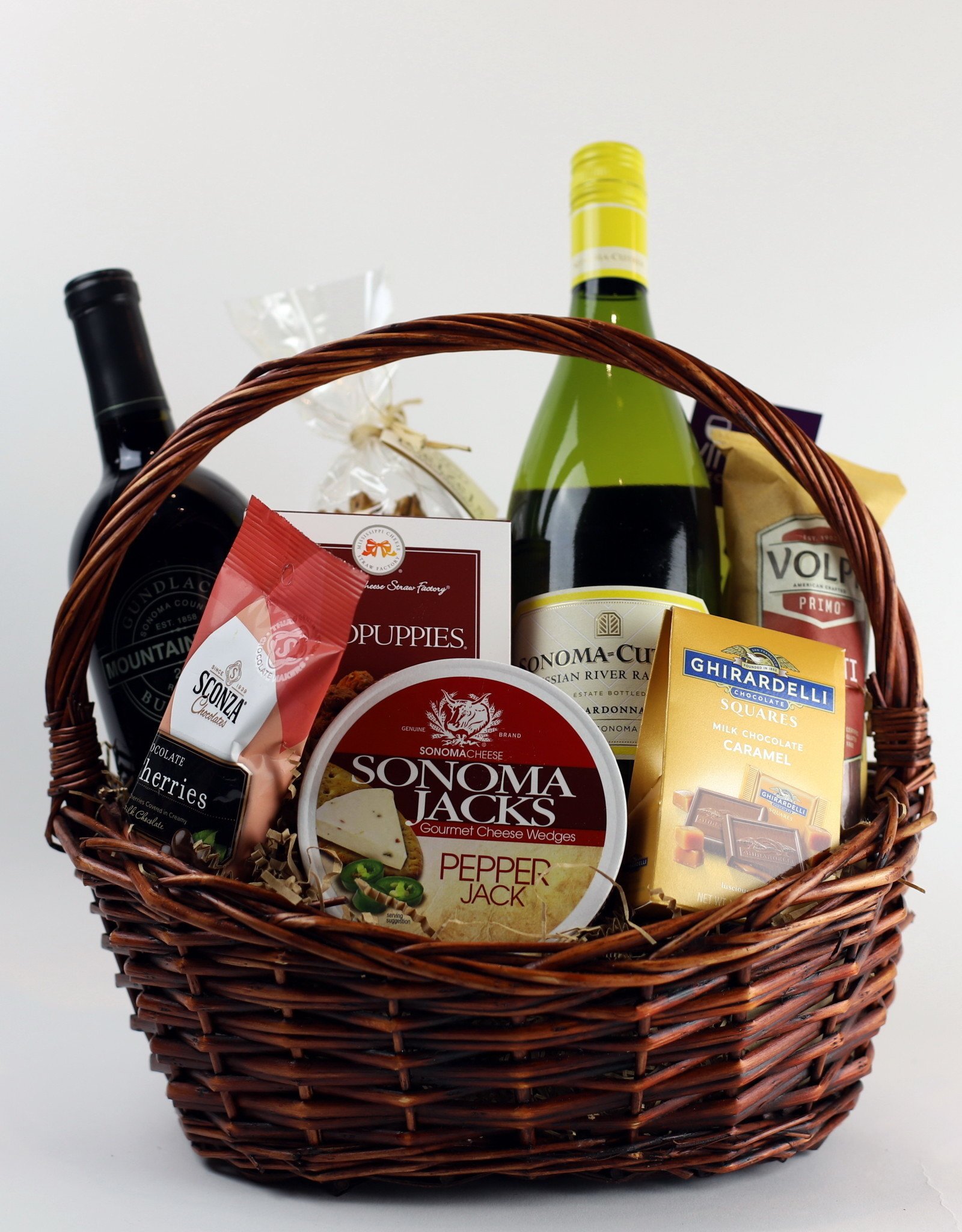
The basket itself is more than a decorative container; it’s a stage. A well‑arranged basket protects delicate items, maintains optimal temperature, and signals professionalism. Look for breathable linings for cheese, separate compartments for jam to avoid cross‑contamination, and a balanced layout that prevents bruising. Think of the basket as a runway—each product should have its moment to shine.
Practical Checklist for the Savvy Shopper
- Visual Scan: Uniform color, clean edges, no mold. Touch Test: Firm yet yielding textures where appropriate. Aroma Check: Fresh, characteristic scents; no off‑odors. Taste Sample: Balanced flavors, no overwhelming sweetness or bitterness. Sound Test: Crisp snap for baked goods, no soggy murmurs. Provenance Review: Origin, certifications, and producer story. Packaging Assessment: Protective, organized, and appropriate for each item.
Keep this list handy next time you browse a market stall; it’s your cheat sheet for distinguishing gold from glitter.
Making Your Selection Count
Imagine you’re at a bustling Saturday market, and a friendly vendor offers you a basket of locally made goat cheese, honey‑lavender jam, and a rosemary focaccia. You recall a childhood anecdote: the first time you tried a cheese that “smelled like the attic of a barn,” you learned the hard way that not every rustic scent is a badge of honor. Armed with the tools above, you examine the cheese’s rind, inhale the jam’s floral perfume, and hear the focaccia’s satisfying crunch. The result? A basket that earns a thumbs‑up from both your palate and your intuition.
As Auguste Escoffier famously said, “Good food is the foundation of genuine happiness.” By applying a systematic yet enjoyable approach to how to evaluate the quality of artisanal products in a basket, you turn a simple purchase into a celebration of craftsmanship.
Ready to put these tips into practice? The next time you see a beautifully arranged basket, pause, observe, and savor the experience. Your taste buds—and perhaps a new favorite artisan—will thank you.
---
*If you found this guide helpful, consider sharing it with fellow food lovers or signing up for our newsletter for more culinary insights.*