When you’re building a baby’s first memory, the hamper should feel like a treasure chest—full of warmth, safety, and the promise of countless future moments. But what happens when that hamper feels more like a misplaced puzzle piece? In this guide we’ll explore the common pitfalls of baby hampers that miss the Soft toys mark and give you clear, practical steps to turn that disappointment into a perfect fit.
Understanding the Baby Hamper
A baby hamper is more than a container; it’s the first curated space where a child’s essentials meet the family’s love. The right hamper should:
- Be sturdy yet lightweight Offer easy access to diapers, wipes, and clothing Provide a safe, non-toxic interior Reflect the baby’s personality or the family’s aesthetic
When these criteria are off, the hamper can feel clunky, unsafe, or simply mismatched. Knowing what to look for is the first step in troubleshooting.
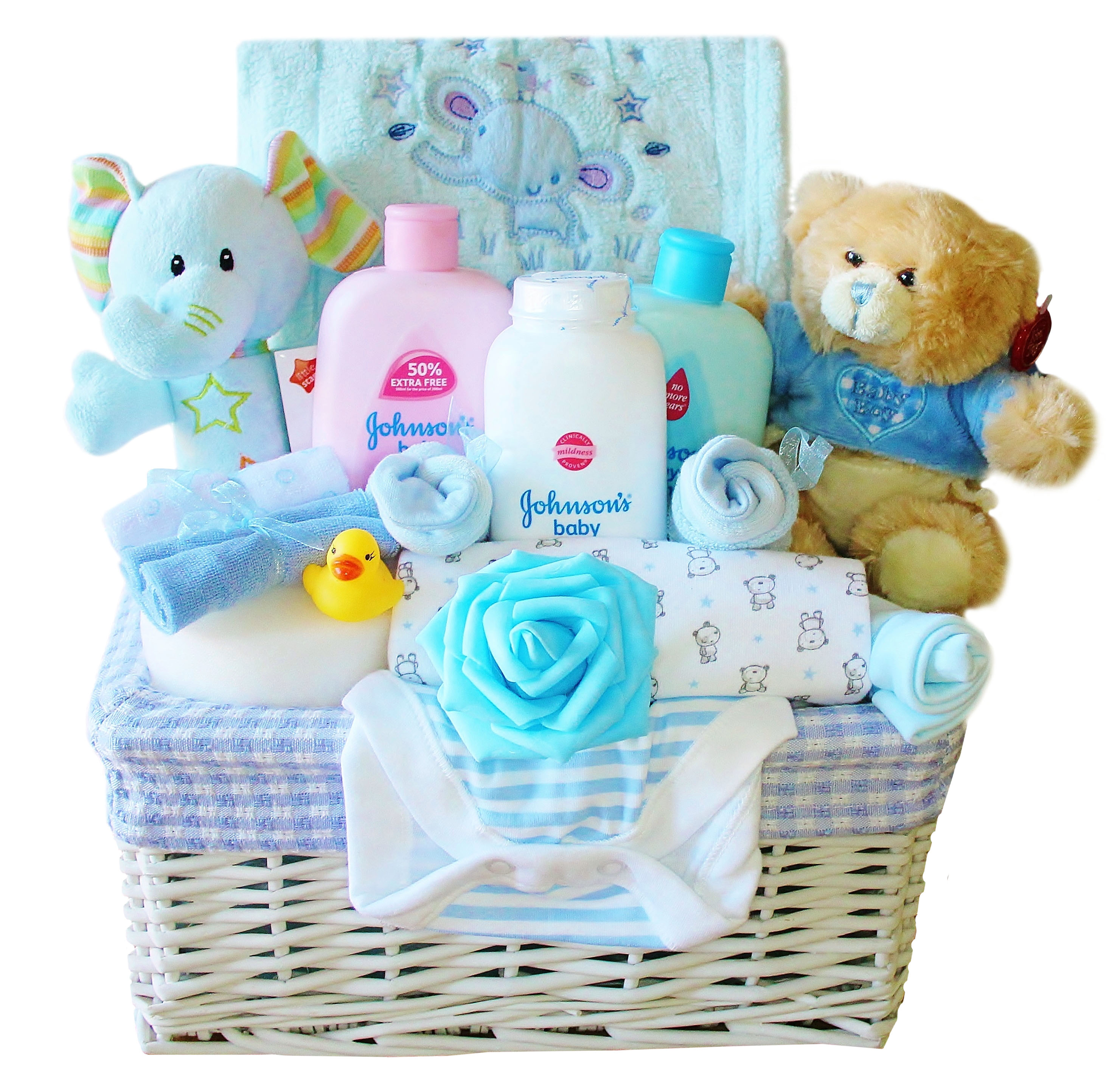
Common Issues with Baby First Memory Hampers
Size and Shape Mismatch
A hamper that’s too big can feel like a storage unit for a toddler’s toys, while a cramped one can turn diaper changes into a game of Tetris. If the hamper’s dimensions don’t align with the space in your nursery, you’ll struggle to keep everything organized.
Material Concerns
Some hampers are made from rough plastics or untreated wood that can irritate a baby’s delicate skin. If the interior feels rough or the edges are sharp, it’s a red flag.
Accessibility Problems
A hamper with a high lid or a complicated latch can make diaper changes a chore. Babies and parents alike benefit from a design that allows quick, easy access to essentials.
Aesthetic Disconnect
A hamper that clashes with the nursery décor can feel out of place. While this might seem purely cosmetic, a harmonious look can calm both baby and parent, setting a soothing tone for the room.

> “Memory is the diary we keep with us.” – Unknown
This quote reminds us that every item in a baby’s first memory should feel intentional and comforting.
What to do if baby hamper is not suitable for baby first memory
1. Assess the Problem
Ask yourself a few quick questions:
- Does the hamper fit comfortably in the nursery without crowding other furniture? Are all the baby’s essentials easily reachable? Does the material feel safe and gentle?
If the answer is “no” to any of these, it’s time for action.
2. Measure and Compare
- Measure the hamper’s dimensions (height, width, depth). Measure the available space in the nursery. Compare the two. If the hamper is larger than the space, consider downsizing.
3. Check the Material
- Run your hand over the interior. If it feels rough, look for a hamper with a smooth, washable lining. Ensure the hamper is made from BPA‑free or certified non‑toxic materials.
4. Re‑organize the Contents
Sometimes the issue isn’t the hamper itself but how it’s filled. Try:
- Sectioning: Use small baskets or bins inside the hamper to separate diapers, wipes, and clothing. Labeling: Clear labels help you find items faster, reducing frustration.
5. Seek a Replacement or Upgrade
If the hamper still feels unsuitable, consider one of the following options:
- Swap to a different size: Many manufacturers offer a range of sizes. Choose a different material: Look for hampers with soft, washable interiors. Opt for a multi‑function design: Some hampers double as storage for blankets or toys, saving space.
6. Personalize the Space
Add a touch of personality:
- Fabric inserts: Soft, baby‑friendly fabrics can cushion items. Color coordination: Match the hamper’s color to the nursery’s palette. Decorative accents: A small, tasteful ribbon or embroidered tag can make the hamper feel special.
Alternatives and Upgrades
If you’re ready to go beyond a standard hamper, here are some creative alternatives that still serve the purpose of a baby first memory:
- Customizable storage bins: Adjustable dividers let you reconfigure the space as your baby grows. Fold‑away hamper: Ideal for small rooms; it can be tucked away when not in use. Convertible hamper‑to‑crib: Some designs can transform into a small crib or play mat.
Bullet‑point list of key features to look for:
- Easy‑to‑clean interior Lightweight but durable frame Secure latch or lid Non‑toxic, hypoallergenic lining Adjustable dividers or compartments
Tips for Creating a Perfect First Memory
Keep it simple: Overloading a hamper can create chaos. Stick to essentials. Prioritize safety: No sharp edges, no small detachable parts. Maintain cleanliness: Wash the hamper regularly to prevent mildew or bacteria build‑up. Make it a ritual: Use the hamper as part of your daily routine; it becomes a comforting anchor for both baby and parent. Document the process: Take photos of your organized hamper. These images can become cherished mementos in the future. ### AnecdoteI once met a mom named Lily who brought me her “baby first memory” hamper—an oversized, bright pink box that looked more like a toy chest than a practical storage unit. She confessed that every time she tried to reach for a diaper, she had to lean over and pull the entire box to the floor. After a quick assessment, we swapped it for a smaller, lighter model with a soft interior. Within a week, Lily’s diaper changes were smoother, and she even started using the hamper to store a small stack of baby books. The difference was like moving from a cramped subway Wicker baskets car to a spacious train carriage.
Making Your Selection Count
Choosing the right baby hamper isn’t just about aesthetics; it’s about creating a safe, organized space that supports your baby’s first memories. By assessing size, material, and accessibility, and by customizing the hamper to fit your nursery, you can turn a potentially frustrating experience into a seamless part of your parenting routine. Remember, a well‑chosen hamper is a small but significant investment in your baby’s comfort and your peace of mind.
If you’re ready to upgrade or simply want to ensure your baby’s first memory is stored in the best possible way, start by measuring your space, checking the hamper’s material, and testing its accessibility. A quick tweak or a thoughtful replacement can make all the difference—and give you one less thing to worry about while you enjoy those precious early moments.